Behind the Scenes: How Care Becomes Action
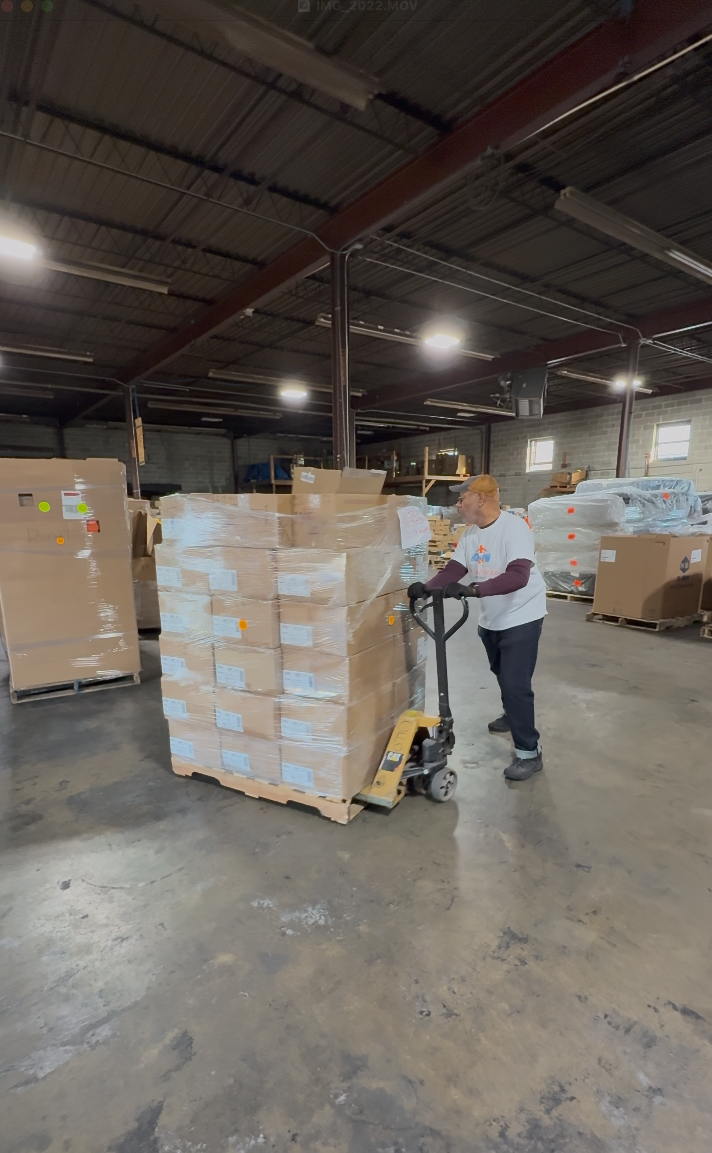
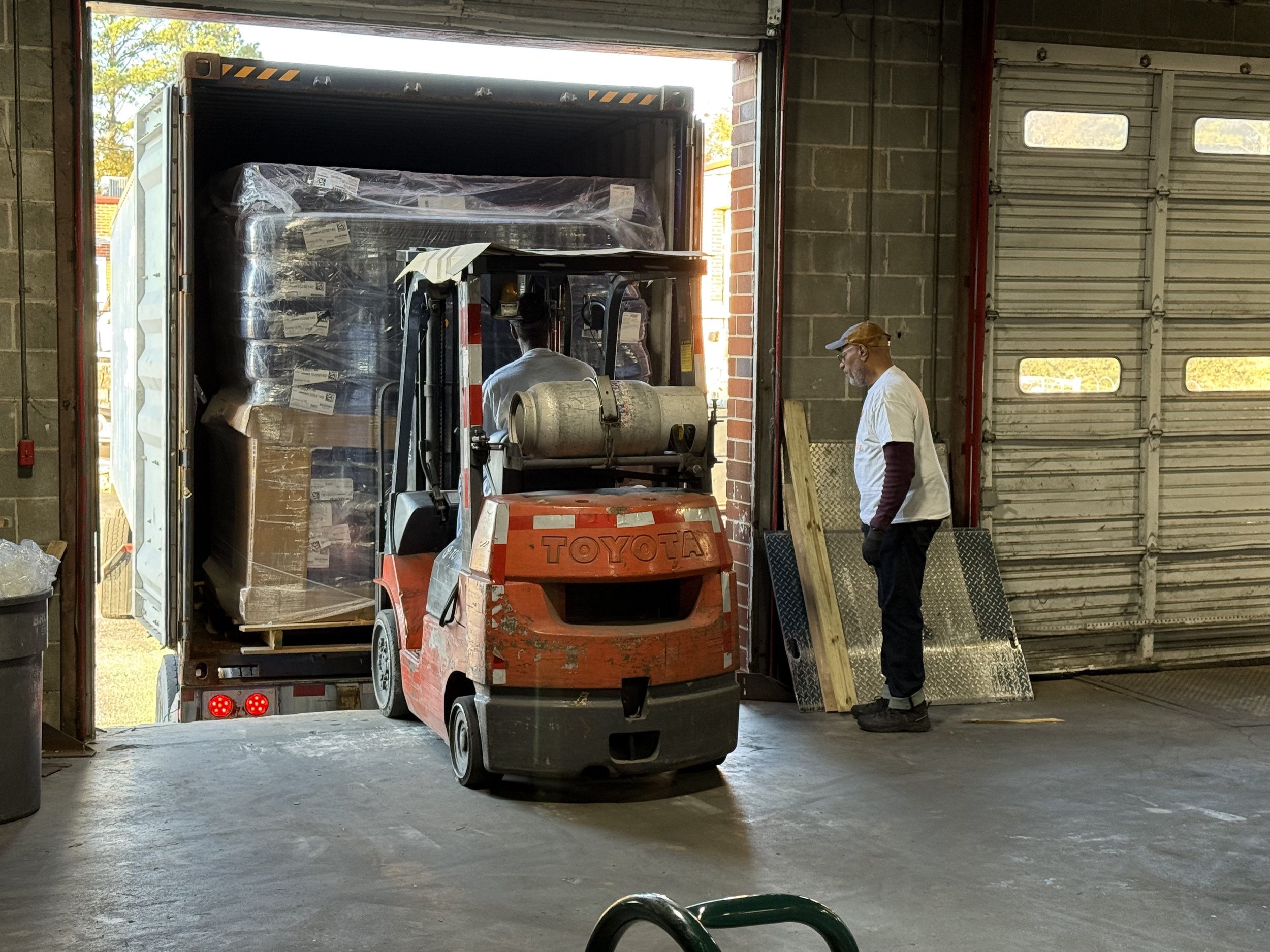
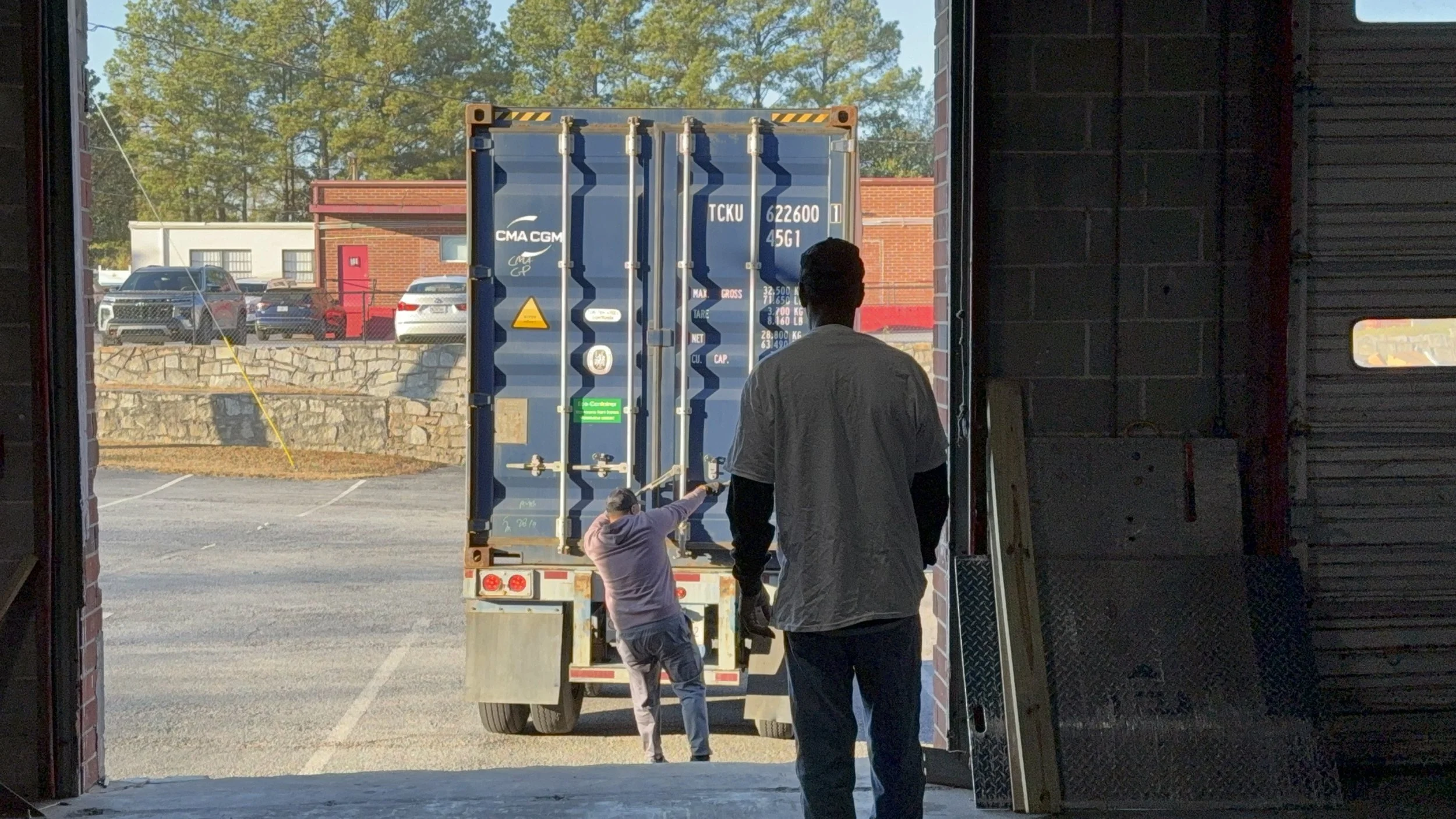
At the International Poverty Forum (IPF), we often talk about the "disease of poverty" and our mission to eradicate it. But what does it actually look like when that mission is put into motion during a crisis?
When Hurricane Melissa devastated parts of Jamaica, the IPF team—powered by Caring For Others—didn't just send a one-time donation. We mobilized a sustained, multi-shipment response designed to evolve as the recovery did. To pull back the curtain on the expertise and intentionality required for this work, we sat down with Jonathan Matthews, Head of Marketing and Operations.
Q: Jonathan, when a crisis hits, there’s often a rush to just "send things." How does IPF approach the first wave of support versus the long-term recovery?
Jonathan Matthews: It’s a process that requires both speed and restraint. In the first 48 hours, we know there are foundational needs that are universal to almost every disaster: cleaning supplies, tarps, and light tools like shovels and rakes. We can move those quickly because we maintain an intimate familiarity with our warehouse inventory.
But the real work begins after those first containers. We don’t just keep sending what we think people need. We rely on "boots on the ground" for feedback. If we don’t listen, we risk sending a "mountain of goodwill" that no one can use—which actually creates a second crisis of waste and logistics for a community that is already overwhelmed. We tailor every subsequent shipment to the specific reality of the region.
Q: Why is that "listening" phase so critical to the dignity of the work?
Jonathan Matthews: People in the midst of a struggle know better than anyone else what they need to regain their footing. Our job is to be the bridge, not the boss. By responding to specific requests from local leaders, we ensure our "Shockley Solutions" are actually solving problems rather than just filling space. It’s about respect. We provide first-quality, brand-new items because we want to provide a ray of hope—a message that says, "We see you, we hear you, and you deserve the best we have to give."
Q: You’ve mentioned that the mission in Jamaica is deeply personal for you. How does that impact your approach to the logistics?
Jonathan Matthews: It goes directly to my ancestry. Both of my paternal grandparents immigrated from Jamaica—my grandfather from Kingston and my grandmother from the Westmoreland Parish. Westmoreland was essentially wiped out by Hurricane Melissa, and I still have family in both areas. When I’m looking at a manifest or coordinating a shipment, I’m not just looking at numbers. I’m thinking about my family. I’m thinking about the service my father, a Baptist minister for 42 years, exemplified. This isn't just a job; it's a commitment to my heritage.
Q: Shipping overseas, especially during a disaster, is notoriously difficult. How does the team navigate those roadblocks?
Jonathan Matthews: We are incredibly fortunate to have Eslene Richmond-Shockley’s 20-plus years of expertise in shipping logistics. She understands the ins and outs of trucking and international ports in a way few do. Because we send containers to places like Guyana and the Caribbean regularly, we’ve learned the "tricks of the trade." We can navigate the system efficiently to ensure that when we say help is coming, it actually arrives.
Q: For our supporters, what is the most important thing to understand about the "treasure" they donate?
Jonathan Matthews: Your support is what allows us to move with urgency. Whether it’s these multiple shipments to Jamaica or our bimonthly community distributions that serve over 200 families here at home, your "time, talent, and treasure" are the fuel. I always encourage donors to attend one of our distributions. When you see the faces of the families receiving these goods, you realize that your generosity isn't just a tax deduction—it’s a life-changing outcome.
Join the Movement
The International Poverty Forum is more than an event; it is a 365-day movement of action. We invite you to stand with us as we provide the tools, the dignity, and the hope necessary to defeat the disease of poverty.