

Country Update: Returning Home — IPF's Mission to Guyana's Senior Farmers
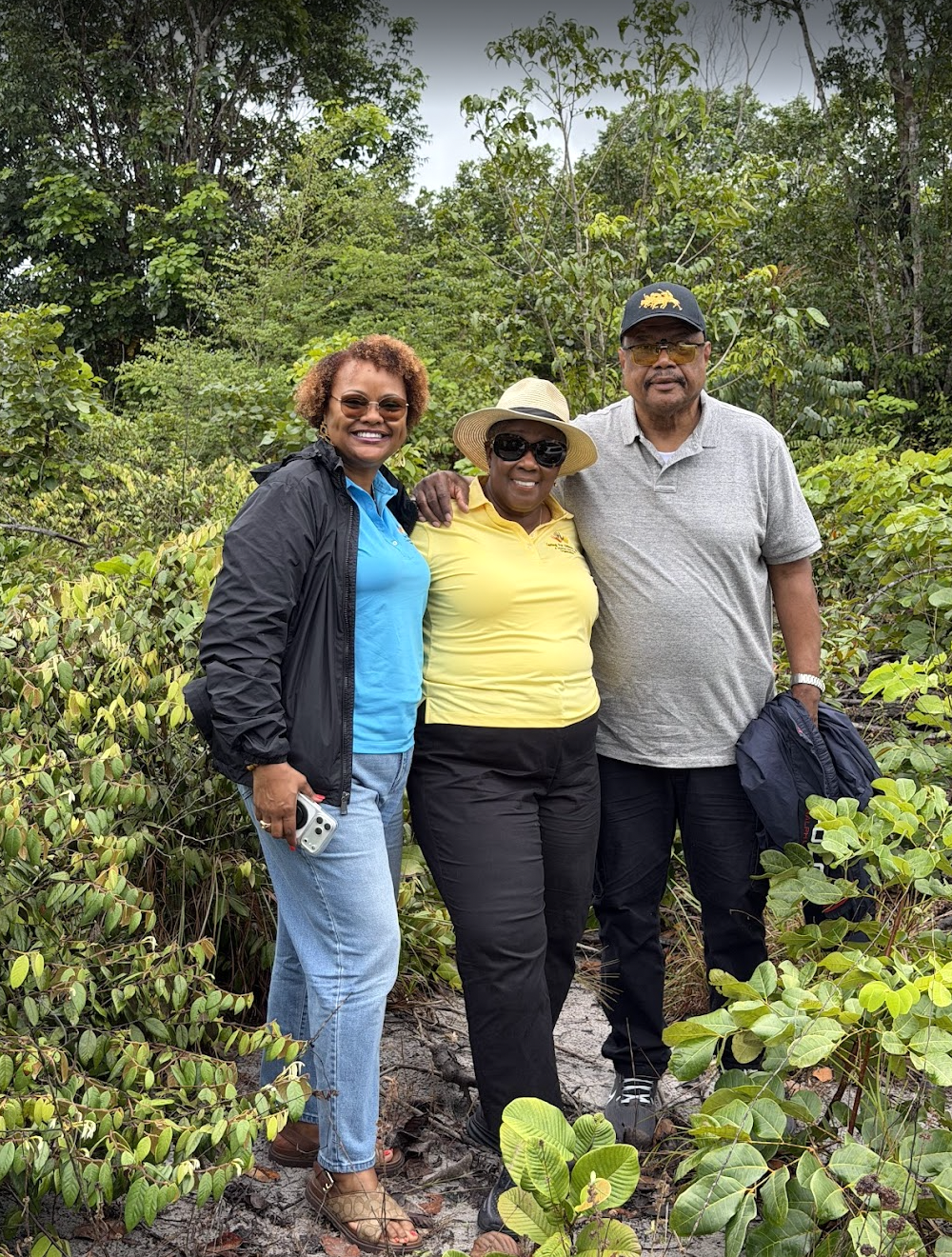
For Dr. Eslene Richmond-Shockley, Guyana is more than a country on the International Poverty Forum's map. It is home. And every return is a reckoning — with where she began, with how far she has come, and with the urgent, unfinished work of lifting others out of the disease of poverty.
"It means a lot. It's home," Dr. Shockley shared during a recent interview. "Because it's home, I always want to make sure that I could do what my grandmother asked me — to always reach back and help someone who's sitting behind. Give them that helping hand that they do not have."
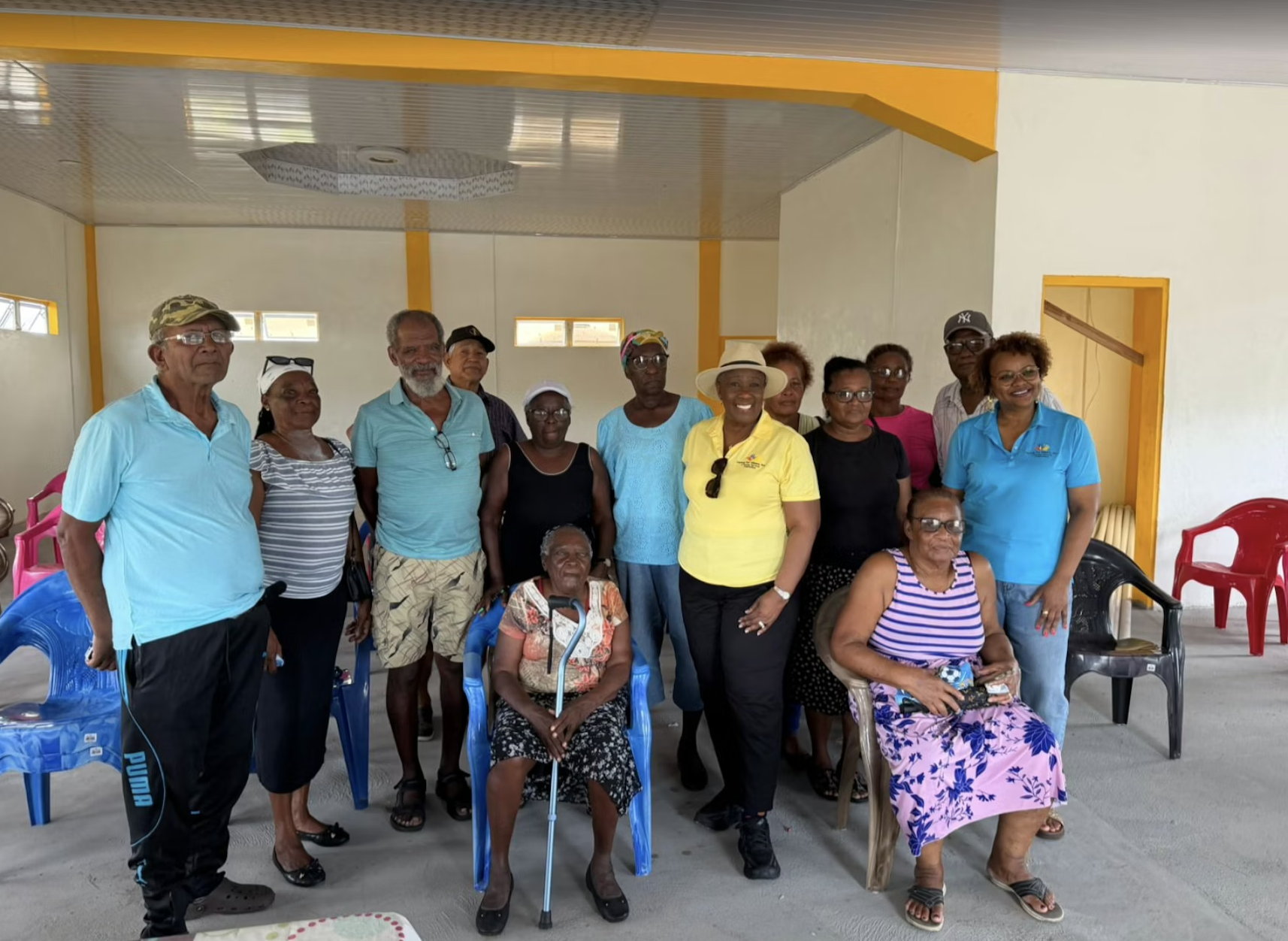
On her most recent trip, Dr. Shockley traveled deep into the rural interior of Guyana to the village of Kuru Kuru, where she met with 25 senior citizens — 15 of whom are female farmers working cooperatively to sustain themselves and their neighbors. What she encountered was both heartbreaking and galvanizing: a nation on the verge of becoming one of the wealthiest oil-producing countries in the world, yet home to communities still gripped by devastating poverty.
"One of the most disappointing things for me is when I go home, I could see a country going to become one of the most richest countries in the world, oil rich. And to see the level of poverty, it's devastating," Dr. Shockley said. "The people who are feeling the squeeze are the senior citizens, people who have paid society. In Guyana, after 55, you retire, so there's nothing else for you to do. And the pension that is given to you, cost of living is so high, you barely make it."Meet Crystal Khalil
A Humble Spirit in the Face of Loss
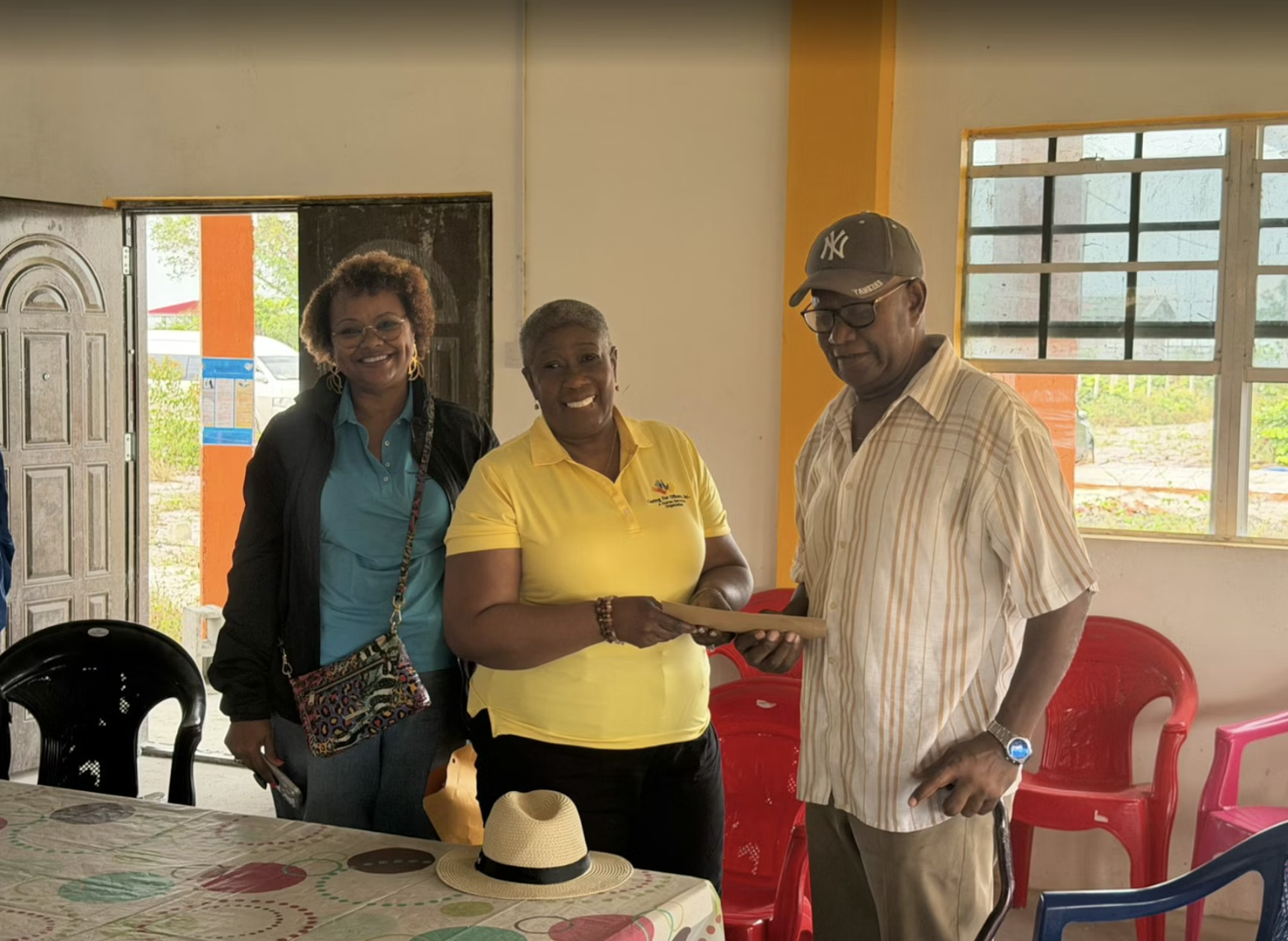
Among the people Dr. Shockley met was a man whose home had been destroyed by fire. He had lost everything — no possessions, no shelter, nothing but the clothes on his back and a pair of flip-flops on his feet. And yet, his spirit remained unbroken. “He still had a humble spirit — that he's gonna press forward with what he had,” Dr. Shockley recalled. Moved by his resilience, she connected him with a grant. Upon receiving the gift, the young man’s face lit up. "He had this smile, and he said, 'I'll be able to buy some wood to start a frame of a little shack that I could live in.' That was touching."
It is a moment that captures the essence of the Shockley Solution: meeting people where they are, restoring dignity through direct action, and trusting in the resilience of those who simply need a hand up. This blend of immediate disaster relief and long-term investment is what defines the IPF's presence in Guyana, reaching deep into rural areas like Kuru Kuru to deliver assistance to those who have been largely forgotten by society.
The MISI Model: Micro-Grants, Maximum Impact
The centerpiece of Dr. Shockley's work on this trip was supporting female senior farmers through IPF's MISI program — microeconomic grants designed to help individuals build sustainable livelihoods. These are not handouts. They are investments in human potential.
"What I ask them to do is to do what you say you could do," Dr. Shockley explained. "Because in Guyana, if you are poor, you can't open a bank account. So if you have a farm and doing what you could do, you make something good of yourself."
The proof-of-concept is already thriving. On a previous trip, Dr. Shockley invested $2,500 in a family to start a chicken farm. Today, that farm is one of the largest in Linden. The family has built new chicken pens, opened a small barbecue restaurant, and purchased a car to drive their handicapped daughter to school — all from one micro-grant and one act of faith.
"That's the best $2,500 I've spent," Dr. Shockley said. "They started off with 100 chickens, and now their whole backyard — they build new chicken pens and all of that. They have a little restaurant, they're doing barbecue chicken."
What began as support for one family has become a pillar of the entire community. Neighbors buy chicken and eggs from the farm. The family employs others. A single investment became a self-sustaining economic engine — the Shockley Solution in action.
A Cooperative Future
This trip's focus on senior female farmers follows the same proven model, but with a cooperative twist. Rather than supporting individuals in isolation, the farmers in Kuru Kuru are building together — pooling resources, sharing labor, and developing greenhouse initiatives as a collective.
"They're doing it in a cooperative way," Dr. Shockley said. "Everybody has to come together and do something. It's a co-op. I was pleased to see how they were, but all they need was a helping hand."
By investing in their greenhouse and farming initiatives, IPF is not just feeding families — it is creating the infrastructure for long-term food security and economic independence among a population that has been largely forgotten.
Looking Forward: Disaster Relief and Presidential Dialogue
Dr. Shockley left Guyana more committed than ever to the mission. Beyond the micro-grants and community building, she sees an urgent need for disaster preparedness in a country that sits below sea level and faces regular flooding during the rainy season.
"I really want to have a sit-down talk with the president of Guyana about how we could do better," she said. "As I tell them all the time, I don't deal with politics — I deal with helping people. Because Guyana is below sea level, and when it rains or whenever it's high tide, it's a situation. We have to work better on that."
Her vision is clear: combine IPF's proven micro-investment model with a more robust disaster relief framework — so that when the next flood comes, communities are not just surviving, but already standing on a foundation strong enough to rebuild.
"I grew up in poverty," Dr. Shockley reflected, "but I can't believe a country with this economic wealth — this is how we do things. It is hard to see."
And yet, she presses on. Because the disease of poverty is curable. And in the villages of Guyana, among senior farmers and humble spirits, the Shockley Solution is already proving it — one hand up at a time.
