

Meet Shabakie Fernandes: A Conversation with IPF’s International Director
A profile in the International Poverty Forum, powered by Caring For Others series.
Five seconds in a photograph. Five months of work behind it.
As the International Poverty Forum prepares for its 2027 Annual Assembly in Saint Lucia, we wanted to spend some time with the people who make a gathering like this real. Not the stage or the agenda, but what happens after the delegates go home. The Assembly is where commitments are made. Shabakie Fernandes is one of the people who makes sure they are kept.
Fernandes is the International Director for Caring For Others and the International Poverty Forum, and she has been part of this family since 2015. Her job, in her own words, is “building the bridge between resources and real human need.”
“There are phone calls, meetings, logistics, customs issues, partnerships, planning and problem-solving behind what eventually becomes one photograph of a distribution,” she says. “The photograph may capture five seconds. The work behind it may have taken five months or more.”
Where the work begins
Fernandes grew up in Guyana, as did Dr. Eslene Richmond-Shockley, the founder of Caring For Others and IPF. Poverty was never something she understood from a report or a statistic.
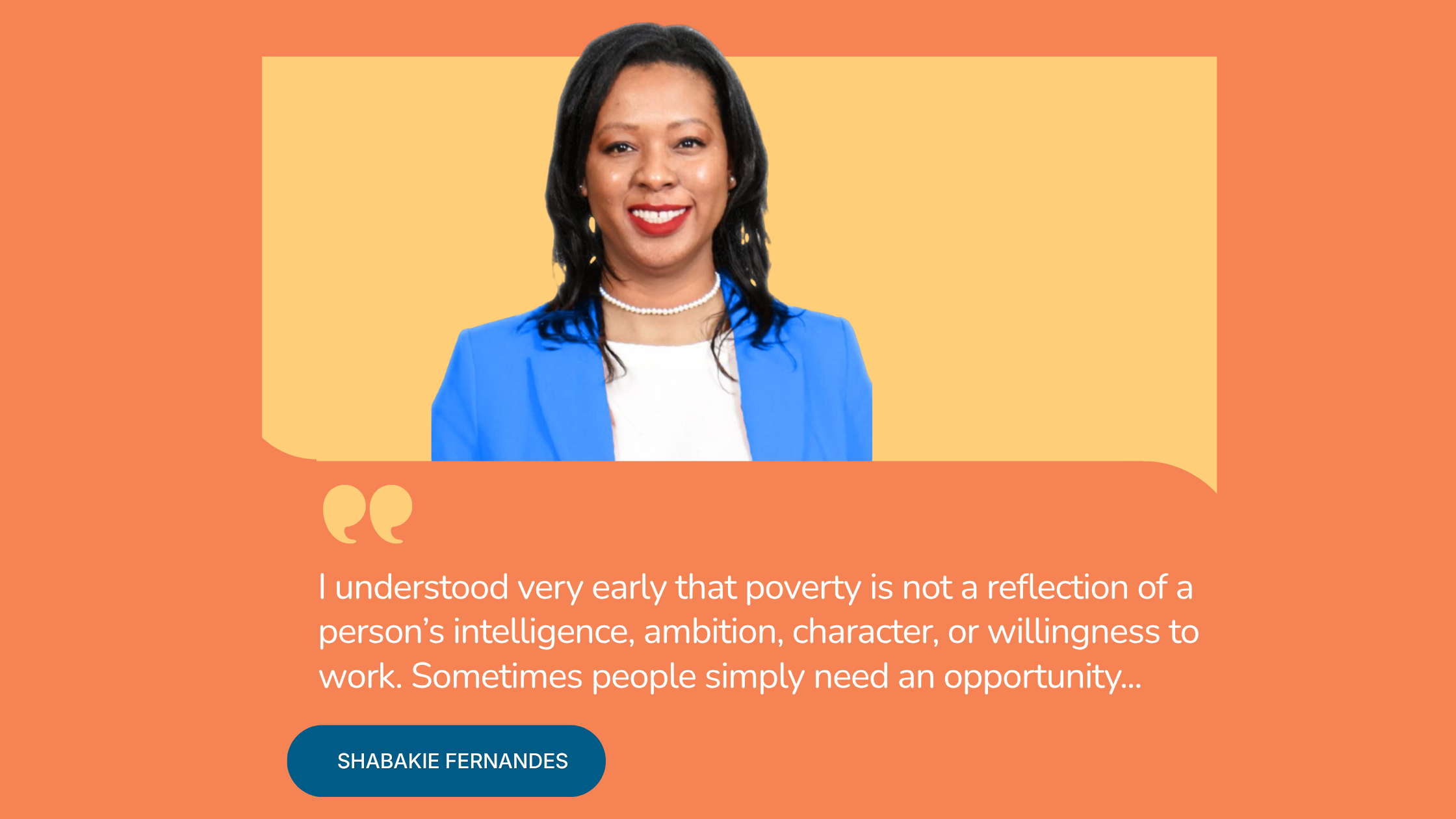
“I saw it,” she says. “I knew families who worked incredibly hard and still struggled. I understood very early that poverty is not a reflection of a person’s intelligence, ambition, character, or willingness to work. Sometimes people simply need an opportunity, access, or someone willing to stand beside them.”
What drew her to Caring For Others was dignity. “We were not simply giving things away. We were saying to people, ‘You matter. Your circumstances do not determine your worth.’” What has kept her here for more than a decade are the people. “Behind every shipment, every donation and every program is a human being with a name, a family, dreams and a story that deserves to be seen.”
What the photograph doesn’t show
What would surprise most supporters, she says, is how much human effort happens before a single item reaches someone’s hands.
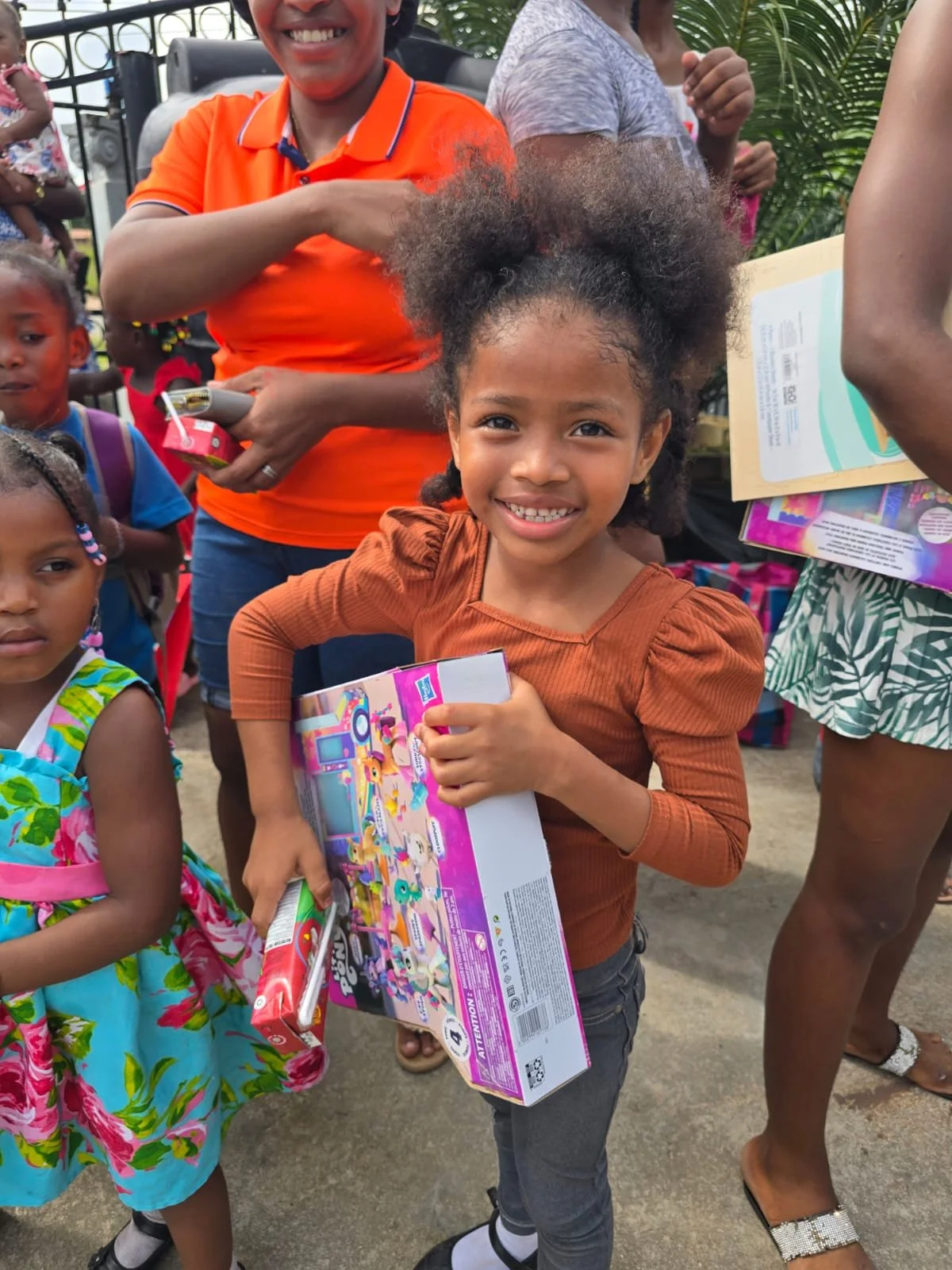
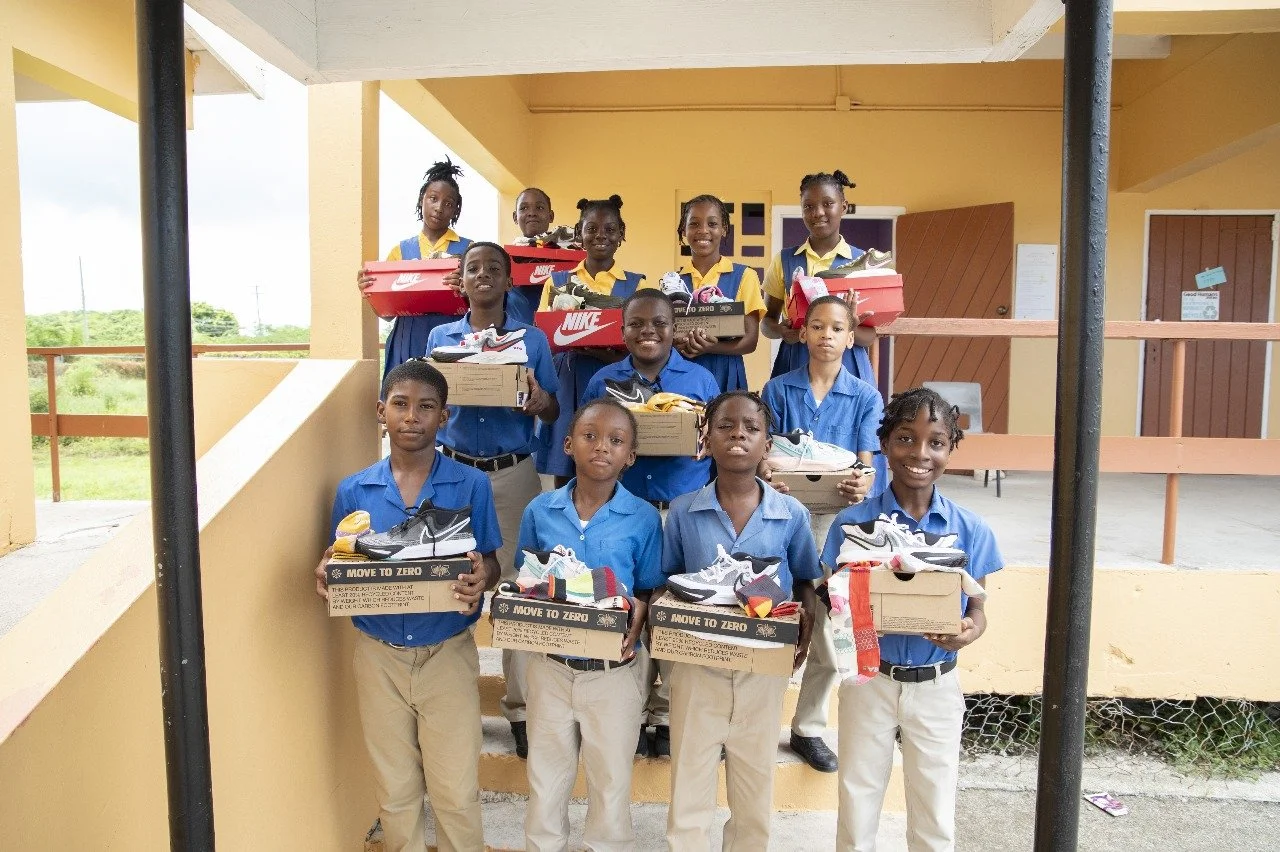
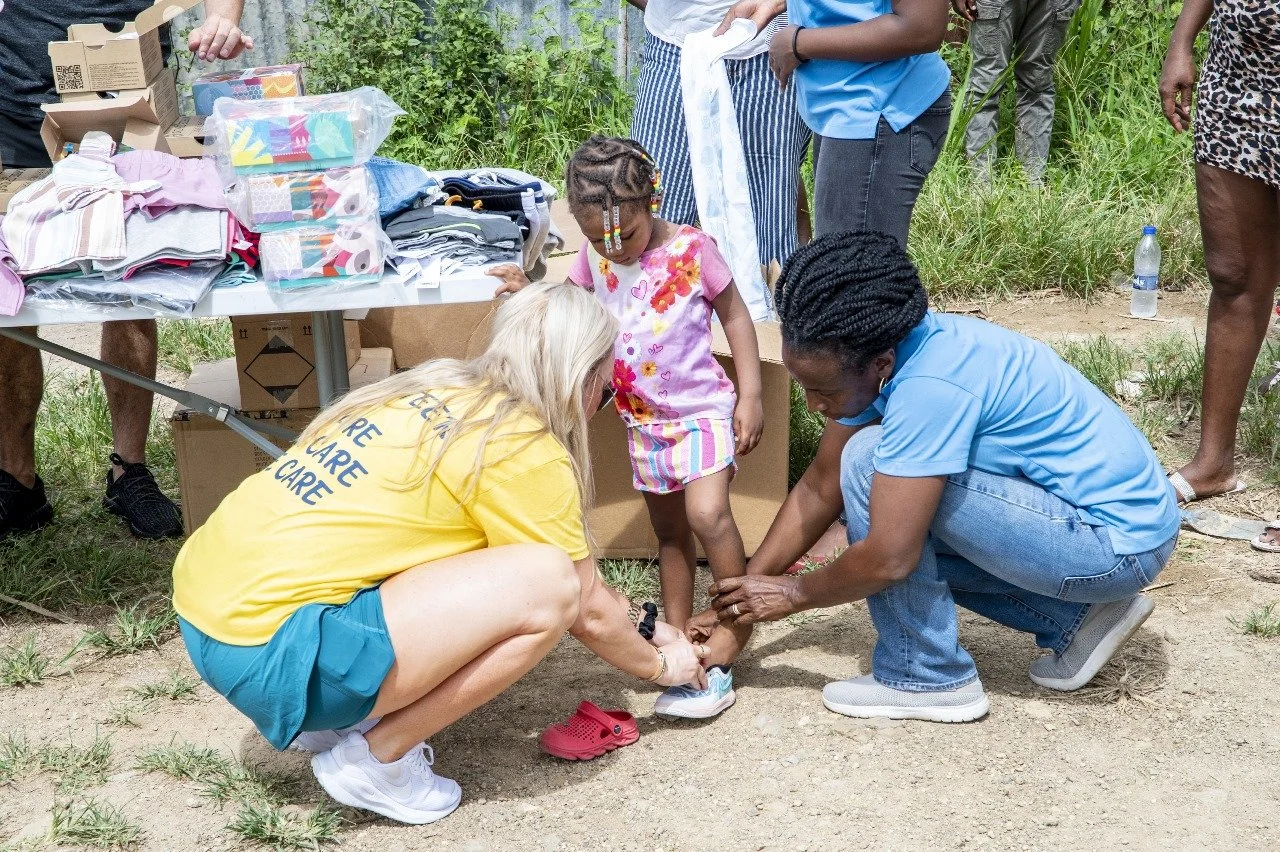
A photograph might show a child holding a new pair of shoes. What it does not show are “the conversations that identified the need, the donor who decided to give, the warehouse team, the packing, shipping, documentation, customs clearance, transportation, local partnerships, volunteers and countless decisions required to make that moment possible.”
The most important part of that work is also the simplest. “Listening,” she says. “International humanitarian work cannot be about arriving somewhere and deciding that we know what people need. Communities have voices. They have leaders. They have knowledge. They have solutions. Our responsibility is to listen, partner and help remove the barriers standing between people and opportunity.”
“When somebody entrusts you with resources intended for vulnerable people, that is sacred to me,” she says. “Somewhere at the end of that process is a father, a mother, a child, an elderly person or a family depending upon us to do what we said we would do.”
So the work does not end with a shipment. Four questions follow every one: Did it reach the people? Did it meet the need? Did we preserve their dignity? And what happens to that family tomorrow?
“Poverty is rarely solved by one box,” she says. “The box may address today’s emergency. Our larger responsibility is helping people reach the point where tomorrow they no longer need that box.”
“You are worthy of something new.”
IPF sends brand-new items. Nothing used, nothing secondhand. For Fernandes, that is not a policy. It is the mission.
“Poverty should never require someone to surrender their dignity,” she says. “Sometimes when we talk about people experiencing poverty, we unintentionally reduce them to what they lack. We see the torn shoes before we see the child wearing them. We see the empty cupboard before we see the mother trying desperately to feed her family.”
“That child has dreams. That mother has pride. That elderly person has lived an entire life deserving of respect.”
Something new carries a message that is larger than the item itself. “You are worthy of something new. Not someone’s leftovers. Not something discarded because nobody else wanted it. Something chosen and given with dignity.”
“There is a particular look a child gets when they put on something new and realize, ‘This belongs to me.’ You cannot measure that feeling on a spreadsheet.”
No Bare Soles
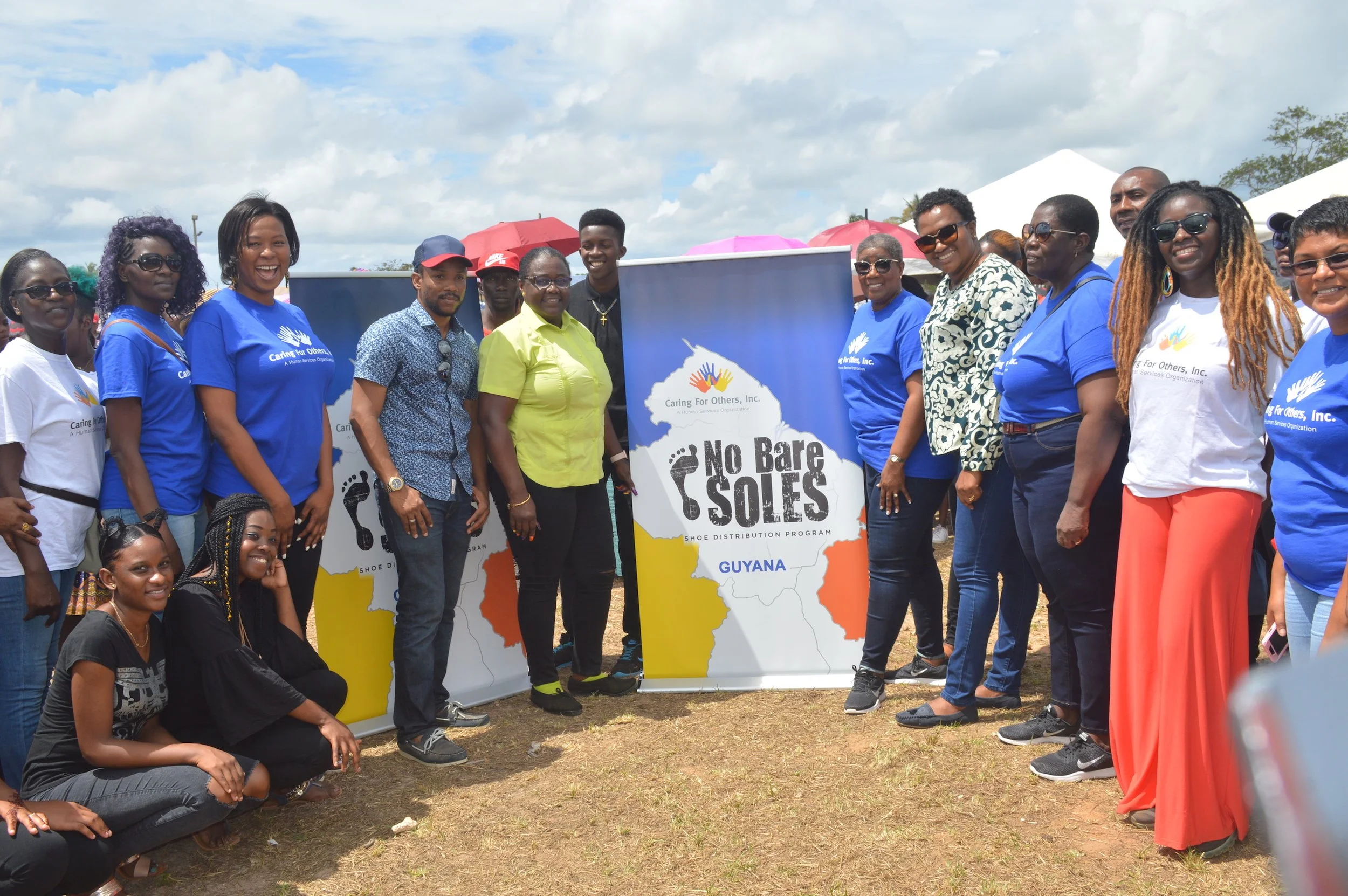
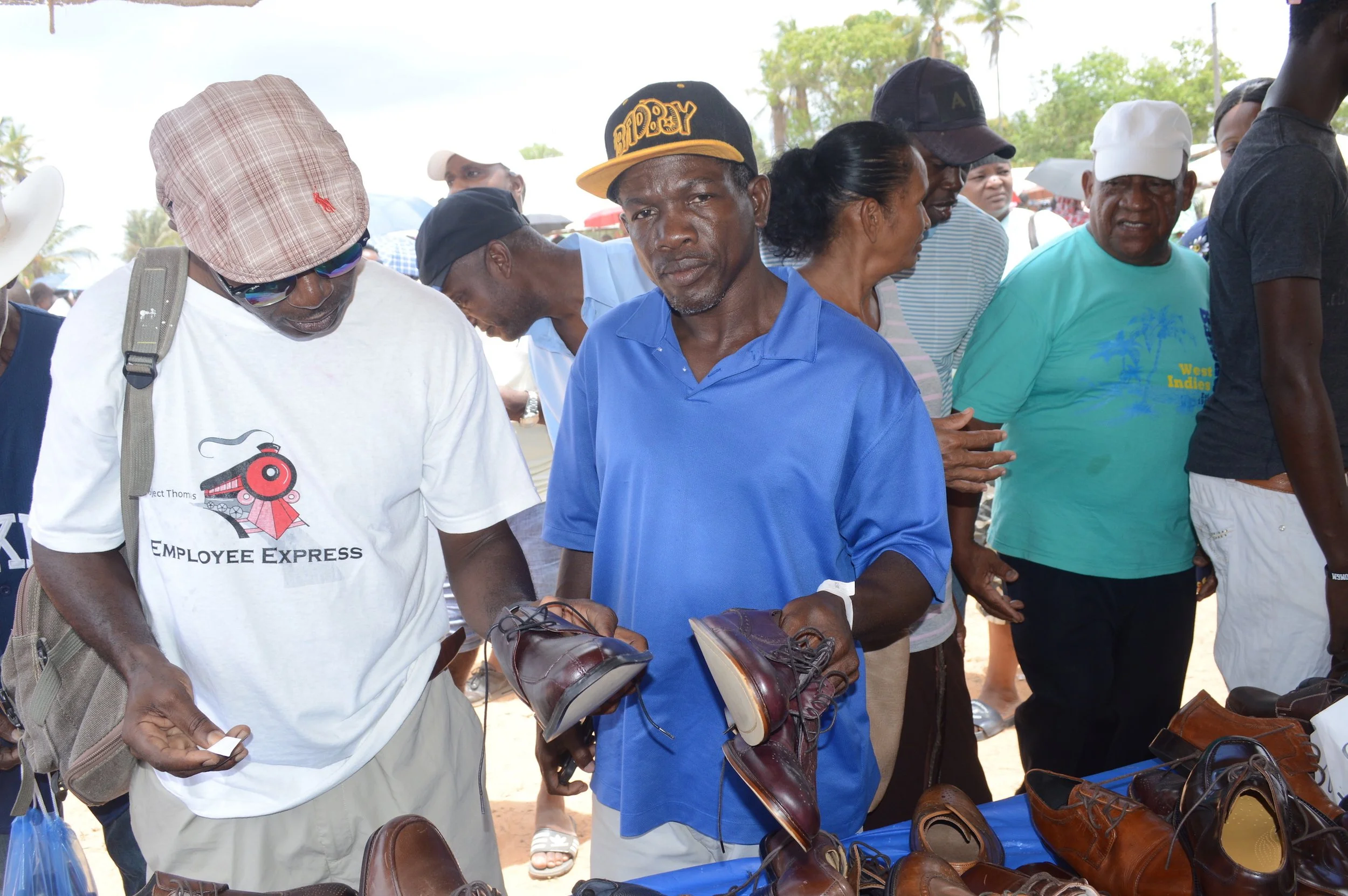
Of all her years with IPF, the moment that stays with her is No Bare Soles in Guyana, when Caring For Others gave thousands of children a brand-new pair of shoes.
“For many people, shoes are ordinary,” she says. “But imagine being a child and shoes are not ordinary. Imagine going to school worrying about what is on your feet. Then imagine that child receiving a brand-new pair.”
“I remember watching children looking down at their feet. Some would walk differently. They would straighten themselves up. They would look at one another’s shoes. And they would smile.”
One mother told her what the shoes meant for her family: she could finally send her children to school. “As a mother, she wanted what every parent wants — to be able to give her children the opportunity to learn and have a better future,” Fernandes says. “Something as simple as a pair of shoes had been standing between her children and the classroom. Those shoes were doing something that had nothing to do with footwear. They were giving a child confidence.”
“A pair of shoes can mean, ‘Tomorrow I can go to school without being embarrassed.’ A food hamper can mean, ‘Tonight my children will eat.’ A livelihood opportunity can mean, ‘Maybe next month I won’t need anyone to bring me a hamper.’”
Then ask why they are hungry
Fernandes came to this work through conflict resolution, peacebuilding, psychology, project management and development, and has worked across humanitarian relief, education, women’s empowerment, livelihood development and food security. Outside IPF she is President of the Sarauniya International Development Organization, which works to end menstrual poverty and improve healthcare access for women and girls in Ghana, and she is a 2026 Vital Voices Fellow.
Through all of it, one belief has held. “Charity can meet an immediate need, but opportunity can change the direction of a life,” she says. “Give someone food when they are hungry — absolutely. Then ask why they are hungry. Help the family through the emergency — and then help create the conditions that make the next emergency less devastating.”
A family in Guyana shows what that looks like. They were farmers. They grew crops, sold them, and used what they earned to care for their young daughter, who has a disability. Then a flood took the crops. “Imagine watching the very thing that feeds your family and provides your livelihood disappear under floodwater,” Fernandes says. “For a family already living with very little, it could have been the moment that pushed them even further into poverty.”
Through the Micro Economic Community Empowerment (MECE) Program, they received a grant to start raising chickens. “It was not simply assistance — it was an opportunity to rebuild. They took that opportunity and worked with it.” They found their footing. In time they bought a second-hand car that carries their goods to market and their daughter to her clinic and hospital visits.
“Sometimes believing in someone means giving them the opportunity and resources to begin again,” she says. “Not doing everything for them, but helping them get back on their feet so they can rebuild their own lives with dignity. That is how we begin breaking cycles of poverty rather than simply responding to them.”
If she had to choose one word for the part of IPF’s mission that speaks to her, it is dignity. “When I meet someone experiencing poverty, I do not want to see a ‘beneficiary.’ I want to see a person. Someone’s mother. Someone’s father. Someone’s daughter. Someone’s son. A person with plans that may have been interrupted by circumstances. A person who still has something to contribute to this world.”
Her hope is that the people we serve will one day say something more than “someone helped me.” “Someone believed in me, I found my footing, and now I am helping someone else.”
Next: Saint Lucia
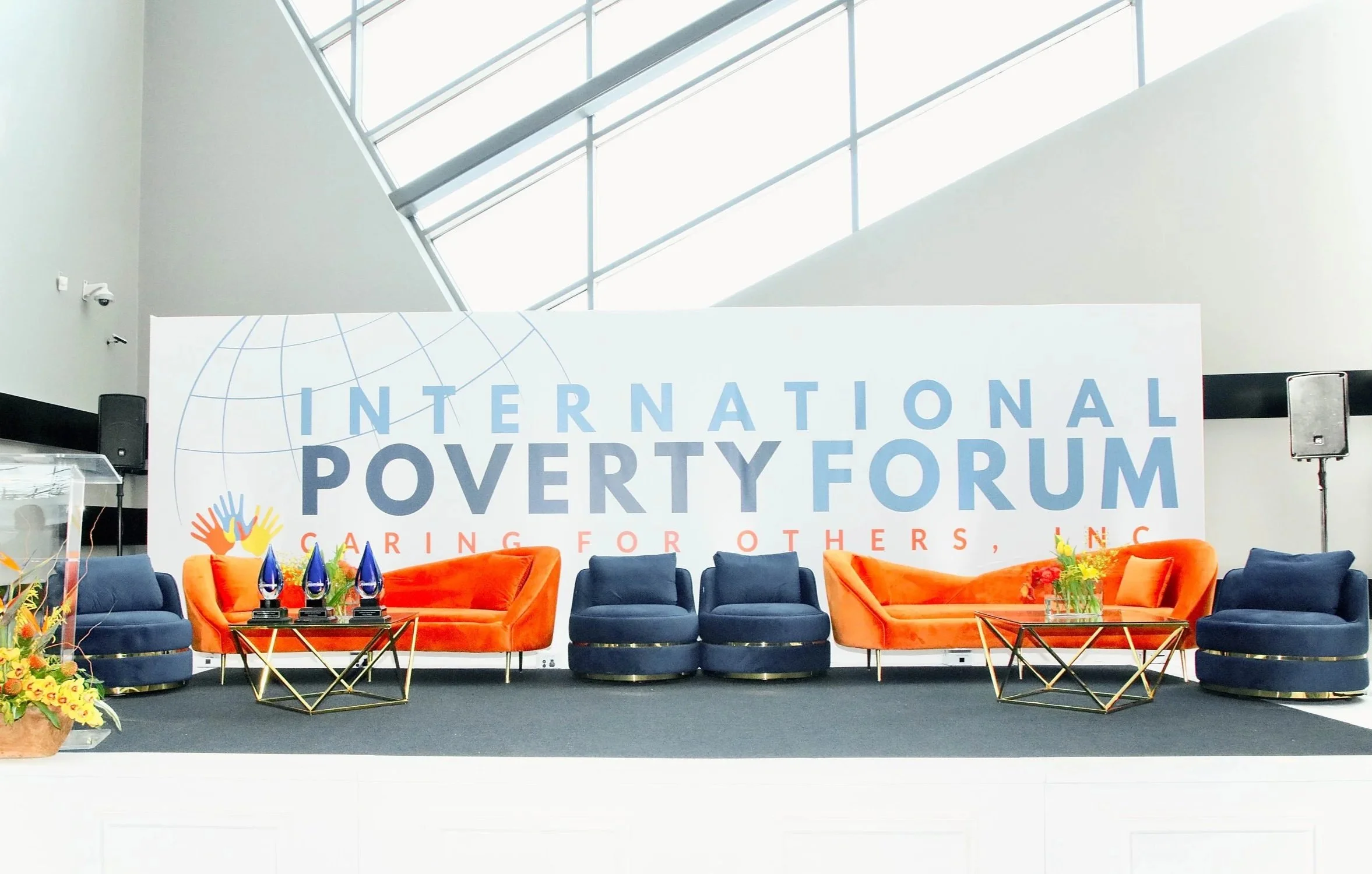
When delegates gather in Saint Lucia next March, the commitments made in that room will travel the route Fernandes knows best: through partners and paperwork, customs and long drives, to neighbors who told us what they need. The Assembly asks everyone who attends to come with a commitment and return with results. Her four questions are how we will know whether we did.
What she wants supporters to know
For donors, and for anyone just learning about IPF, she wants one thing understood: generosity travels farther than you will ever see.
“You may never meet the child who wears the shoes you helped provide,” she says. “You may never meet the mother who opened a package and realized there was enough for her children. You may never meet the family rebuilding after disaster, or the person who receives an opportunity at exactly the moment they were beginning to lose hope. They are real. Somewhere in the world, your decision to care can become part of someone else’s story.”
“Your donation does more than change someone’s circumstances today; it can change the trajectory of an entire generation. By opening the door to education, livelihoods, and opportunity, you give families the chance not only to rise out of poverty, but to ensure that poverty is not the inheritance they pass on to their children.”
The impact of generosity does not end when something is given. “A child who receives shoes walks into school differently. A family receiving emergency food has one less crisis to confront that day. A person given an economic opportunity may eventually employ someone else. Generosity creates ripples. I have spent years witnessing those ripples.”
And after all those years, she still believes something simple. “Poverty should never rob a human being of hope, dignity or the ability to dream about tomorrow. That is why we do this work. That is why I do this work. And that is the heart of the International Poverty Forum.”
